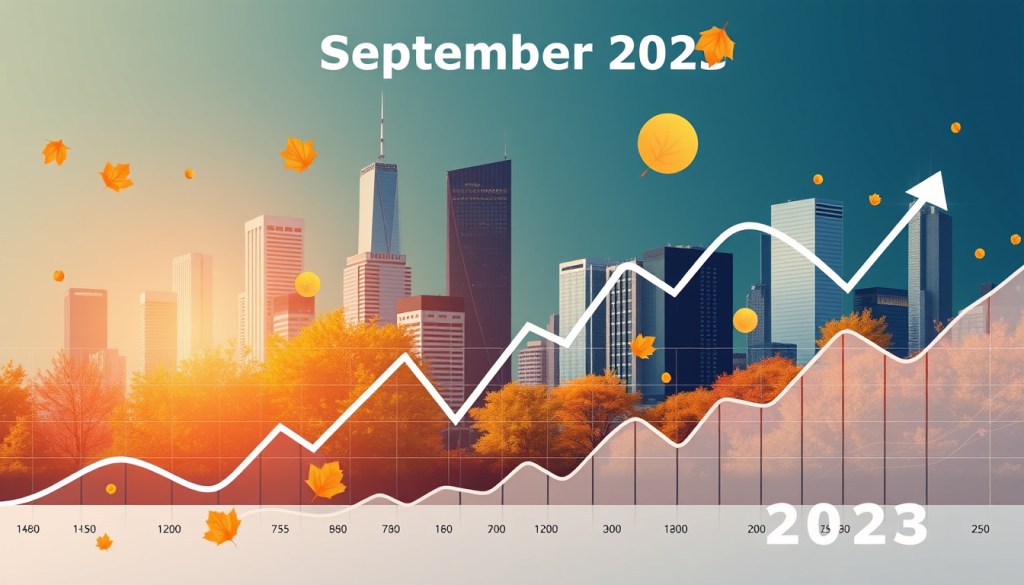
In the ever-evolving world of real estate, understanding mortgage rates is crucial for potential homebuyers and investors alike. As of the week ending September 4, 2023, we observed a slight uptick in mortgage interest rates. However, a closer look at the broader trends suggests an overall decline in rates over time. This article delves into the latest mortgage rate trends and the economic factors that could influence future rates, particularly as the job market data looms on the horizon. Navigating these fluctuations is key for anyone looking to enter the housing market or refinance their existing mortgage.

Key Takeaways
- Mortgage rates slightly increased as of early September 2023, but a long-term decline is still anticipated.
- Upcoming job data is key to understanding potential impacts on economic conditions and mortgage rates.
- Expectations about Federal Reserve policy adjustments are closely tied to job market developments.
Current Mortgage Rate Trends
As of the week ending September 4, 2023, mortgage interest rates witnessed a modest uptick, reflecting ongoing fluctuations in the housing market. This short-term increase raises questions for potential homebuyers and those considering refinancing. However, it’s essential to recognize that the broader trend over recent months indicates a general decline in mortgage rates, which could present favorable opportunities for borrowers. Industry analysts are particularly keen on the upcoming job data set to be released, as it holds significant implications for future economic conditions. Strong job reports may prompt the Federal Reserve to adjust its monetary policy, which could directly influence mortgage rates. Therefore, stakeholders in the real estate market are advised to keep a close watch on these developments, as understanding them can provide insights into potential rate shifts and enable better-informed financial decisions.
Economic Factors Influencing Future Rates
Additionally, the health of the overall economy plays a critical role in determining future mortgage rates. Factors such as GDP growth, inflation rates, and consumer spending directly impact the Federal Reserve’s decisions. For instance, if inflation rises above the targeted level, the Fed may choose to increase interest rates to stabilize the economy, which could subsequently lead to higher borrowing costs for homebuyers. Conversely, a slowing economy might induce lower rates to stimulate growth. As these economic indicators fluctuate, potential homebuyers and investors should remain vigilant, as they will directly affect mortgage affordability and overall market dynamics. Keeping an eye on marketplace trends and economic reports will empower prospective homeowners to strategize their financing options more effectively.
Disclaimer:
The information provided on this page is for general informational and educational purposes only and is not intended as financial, investment, or legal advice. While we strive to ensure accuracy, we make no guarantees regarding the completeness or reliability of any content. Always consult with a qualified financial advisor, accountant, or attorney before making any financial decisions. Your use of any information from this page is at your own risk.
 The Tech Circuit
Leave a comment